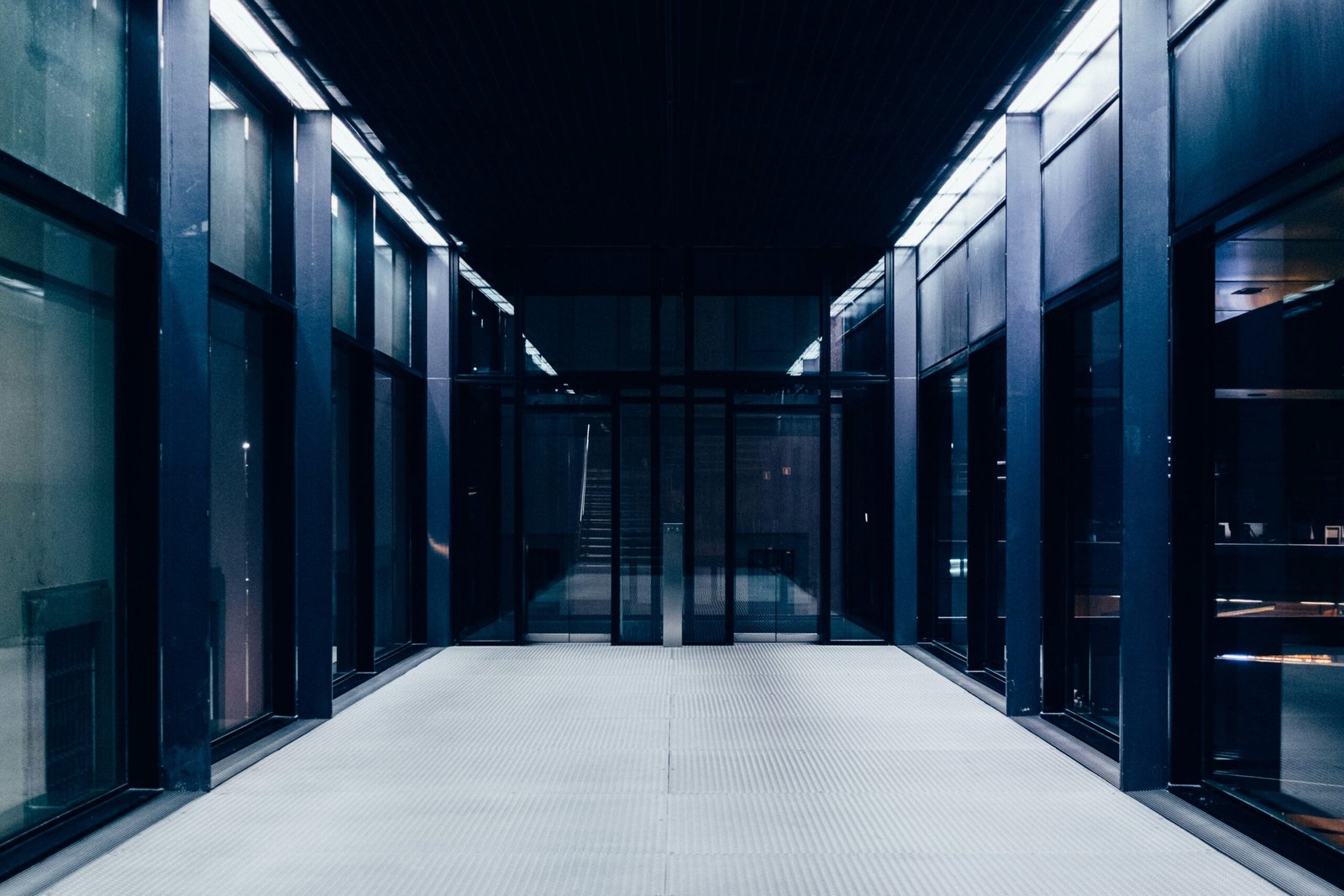
When people ask what a data center is, many imagine a dark room full of blinking lights. In reality, a modern data center sits behind almost every digital interaction you have today. When you stream a match, approve a purchase order, or check a lab result, some data center receives, processes, and stores that information. Because of this, companies treat data centers as critical infrastructure rather than simple IT rooms. In this article, I will unpack What Is a Data Center? Definitions, Key Components, and Real Use Cases and set a practical framework for thinking about it. Then I will connect those ideas with real project experience. My aim is to clarify the basic definition, highlight the main building blocks, and show how different industries actually use these facilities. With that understanding, you can look at technology choices with a more concrete and less abstract mindset.
Defining the Modern Data Center
At the most basic level, a data center is a facility that houses computing and supporting systems. These systems allow organizations to run applications and store data securely. It combines servers, storage, and networking with power, cooling, security, and operational processes. Today, the term covers everything from small server rooms to huge hyperscale campuses serving millions of users. However, regardless of scale, every data center must deliver availability, performance, and protection aligned with the business it supports.
Core IT Components: Compute, Storage, and Network
Inside any data center, three technology building blocks do most of the work. Compute resources include physical or virtual servers running business applications and services. Storage systems keep information accessible and protected, whether through local disks, SAN arrays, or object storage platforms. Finally, network switches, routers, and firewalls connect everything, directing traffic securely between users, applications, and external systems. When these three elements work together, the data center can deliver reliable digital services at scale.
Supporting Infrastructure: Power and Cooling
All of that IT equipment depends on stable power and cooling. Most facilities use redundant utility feeds, transformers, UPS systems, and backup generators to keep energy flowing during disturbances. On the cooling side, designers combine CRAH or CRAC units, chillers, cooling towers, and airflow management strategies to control temperature and humidity. Good power and cooling design reduces unplanned downtime and extends equipment life. Poor design, however, quickly becomes a major operational and financial risk.
Safety, Security, and Monitoring
Strong safety and security layers are just as important as electrical and mechanical systems. Physical security often includes perimeter fencing, access control, CCTV, and mantraps. Fire detection and suppression systems protect people and assets during incidents. In addition, continuous monitoring systems track alarms, temperatures, power quality, and key performance indicators. Together, these controls allow operators to react early, prevent failures from spreading, and maintain compliance with internal standards or external regulations.
From On-Premises Rooms to Colocation and Cloud
Historically, many organizations built and operated their own on-premises data centers. As capacity and reliability requirements grew, more companies moved into colocation facilities or cloud platforms. Colocation allows a business to install its equipment in a shared, professionally managed building, paying for space, power, and connectivity. Cloud providers go further and abstract the physical infrastructure entirely, offering services through interfaces instead of rack layouts. Yet, even in the cloud era, one question remains important for practitioners. What Is a Data Center? Definitions, Key Components, and Real Use Cases still relies on very physical buildings and systems.
Real Use Cases Across Different Sectors
Real projects make the definition of a data center easier to visualize. Financial institutions depend on low-latency data centers to process trades and payments. Industrial and pharmaceutical facilities connect production lines to data centers for process control, quality tracking, and regulatory reporting. Media platforms stream video from content delivery and edge data centers located closer to users. Even smaller organizations run enterprise resource planning or document systems in modest facilities, yet they face similar questions around uptime, cyber security, and future capacity.
Designing With Risk, Cost, and Future Growth in Mind
Every data center project sits at the intersection of risk, cost, and future growth. Designers balance redundancy against budget, deciding how many power paths, feeds, and systems they truly need. Project teams evaluate construction phasing so capacity can grow with demand rather than arriving too early or too late. Operators, in turn, refine procedures, testing, and maintenance strategies over the full lifecycle. Because What Is a Data Center? Definitions, Key Components, and Real Use Cases covers such a broad landscape, successful teams always link technical options back to clear business drivers.
How Will You Look at Data Centers After This?
Now that we have walked through what a data center is, its key components, and some real use cases, the picture should look different. It should no longer match the simple server room image you might have started with. Each facility represents deliberate choices about resilience, cost, risk, and growth, not just a stack of boxes in a cold room. When you hear about outages, new capacity announcements, or cloud migrations, you can connect them to power, cooling, network, and operational fundamentals. That perspective helps you judge whether technology plans actually support business needs or simply create extra complexity. If you want to keep learning about data centers from a project delivery viewpoint, I invite you to follow me on LinkedIn. After reading this overview of What Is a Data Center? Definitions, Key Components, and Real Use Cases, how will you describe a data center inside your own organization?